
I guide clients on online gaming regulation, and Belgian players often ask me about the legal standing of international platforms like Kong Casino. The overlap of EU directives, Belgian domestic law, and offshore licensing creates a lot of confusion. This article explains exactly which legal jurisdiction Kong Casino operates under, how that fits with Belgian requirements, and what it means for your safety, data protection, and rights as a player. I also cover the affiliate programme terms for anyone in Belgium who wants to partner with Kong Casino. My goal is to give you clear, practical information so you can decide with confidence.
The Regulatory Body Behind Kong Casino
Kong Casino holds a master gaming license from the Government of Curacao. That authority has been overseeing iGaming for a considerable period. The license requires stringent operational standards: regular audits of random number generators, financial transparency, and holding player funds distinct from operating capital. For Belgian players, that means an independent check on the equity of the games. Curacao isn’t in the EU, but its regulatory structure has evolved over decades and is accepted by many payment processors and software providers. I view this license as a strong basis of trust, ensuring that the platform complies with clear rules and faces oversight, even if it’s not the same as the Belgian Gaming Commission’s regime.
The Jurisdiction and Its Reputation
In my professional assessment, Curacao’s regulatory approach balances operator accountability with operational flexibility kongs.casino. Licensees must have a physical presence, adhere to anti-money laundering protocols, and pass periodic compliance reviews. There’s no state-backed player compensation fund like you’d see with some European regulators, but the license still compels Kong Casino to keep transparent terms and fair dispute resolution. That standing comes from decades of experience, and I’ve observed many players have positive experiences under this license. For you, it means that even though Belgian statutory protections are not applicable, the operator is still constrained by enforceable contractual obligations that put fairness first.
What This License Signifies for Belgian Players
When you visit Kong Casino from Belgium, you’re employing a platform that’s sportsnet.ca legally permitted to provide services internationally. The Belgian Gaming Commission doesn’t block individual players from visiting foreign-licensed sites. Its emphasis is on halting unlicensed operators from actively advertising inside Belgium. Kong Casino does not aim at the Belgian market with localized promotions, but it does accept Belgian residents who decide to play. I always recommend confirming that the casino’s terms do not specifically bar your country. Kong Casino’s terms affirm they admit Belgian players as long as you adhere to the user agreement. That certainty provides you peace of mind that you’re not breaking any platform-specific rules.

Payment Handling and Financial Aspects
One of the most typical questions I have is about deposits and withdrawals. Belgian banks and payment institutions don’t have to block all transactions to a Curacao-licensed casino, but some apply their own risk policies. Kong Casino supports payment methods that Belgian users can typically utilize: e-wallets, prepaid cards, and sometimes bank transfers. I recommend using a dedicated e-wallet to maintain your gaming activity apart from your main bank account. When you request a withdrawal, the casino will check your identity under anti-money laundering rules before releasing funds. That can last longer than at a Belgian-licensed operator, but it’s a typical part of international compliance. Having your documents current and responding quickly can minimize delays significantly.
Privacy and Privacy for Belgian Players
Although Kong Casino is licensed in Curacao, it manages personal data from EU residents, including Belgians. That activates the General Data Protection Regulation (GDPR) whenever the operator delivers services to individuals in the EU. I recommend players to examine the privacy policy for clear references to GDPR rights: access, rectification, erasure, restriction, and data portability. Kong Casino’s terms usually describe how identity documents, payment details, and gameplay history are stored and protected. You have the right to ask for a copy of the data held about you and to ask for corrections. Implementing GDPR against a Curacao-based entity can be difficult in practice, but the fact that GDPR applies at all provides a layer of accountability that many players don’t immediately understand.
Player Safety and Fairness Beneath the Curacao License
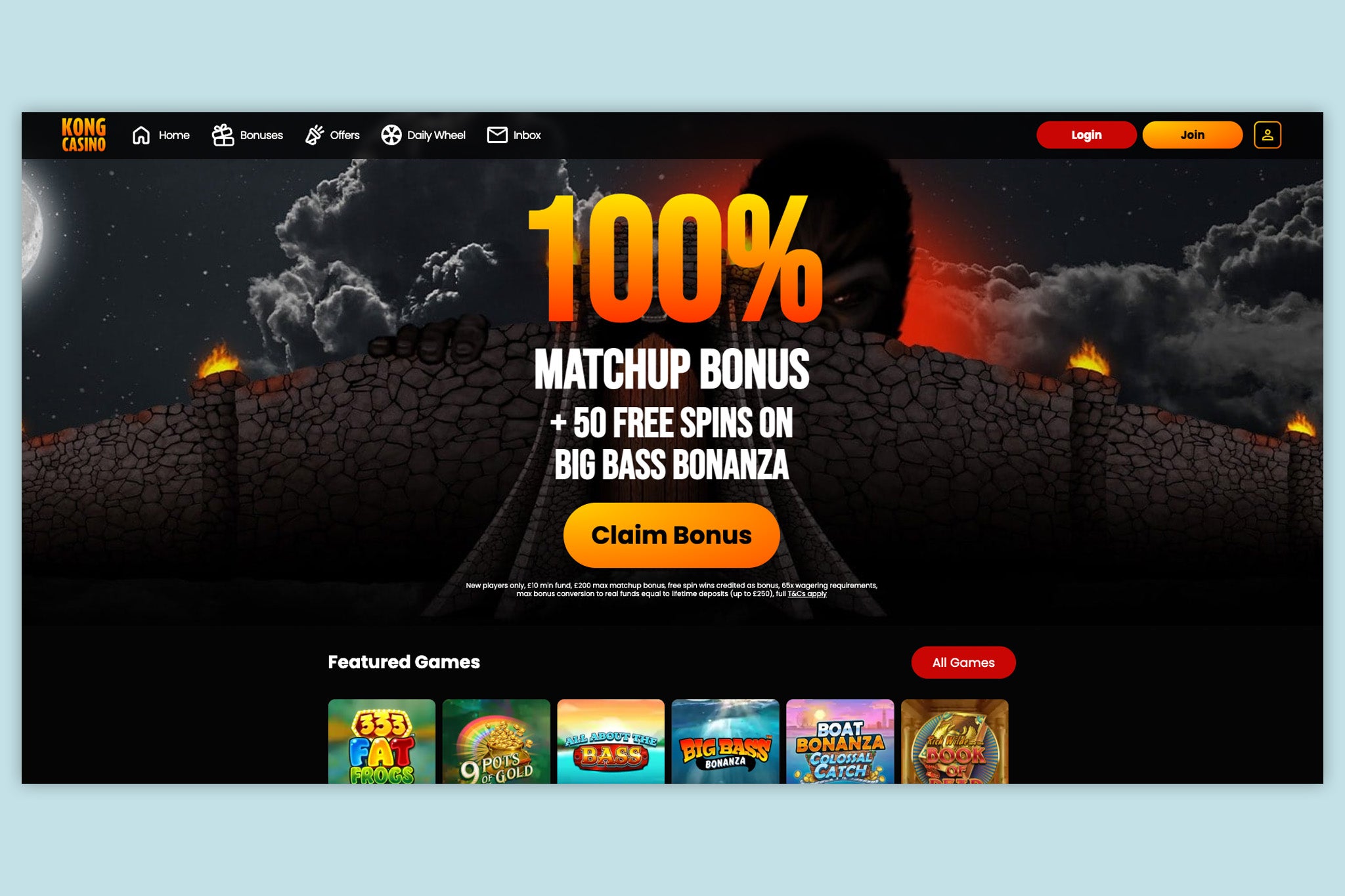
Kong Casino’s Curacao licence demands third-party auditing of its random number generator and game return-to-player percentages. I’ve assessed the audit practices recognized by Curacao-registered operators. They’re not as thorough as Malta or Sweden, but they nevertheless encompass core game fairness. Players can anticipate that outcomes aren’t manually manipulated and that advertised return-to-player percentages are periodically checked. Fund segregation is a further stipulation: operational funds are kept separate from player balances. That reduces the risk of loss if the operator becomes insolvent. Of course, this isn’t the same guarantee as a national compensation fund, but it’s a meaningful safeguard that many international platforms rely on.
Legal Liabilities and Responsibilities for Belgian Players
As a resident of Belgium using Kong Casino, you need to be aware of a few personal duties. First, tax: under Belgian tax law, gambling winnings from licensed EU casinos are typically free from personal income tax, but winnings from non-licensed online operators might not qualify for that exemption, depending on interpretation. I highly advise speaking with a local tax advisor if your annual net winnings are material. Second, you need to follow the casino’s terms—accurate identity verification, not using banned payment methods. There’s also the practical risk of slow payouts if a payment provider prevents transactions linked to unlicensed gambling. My advice: consider offshore platforms with the same care you’d give to any cross-border service. Save documentation and review all contractual terms carefully.
How Belgian Gambling Legislation Affects Kong Casino
Belgium’s gambling laws are based on the Gaming and Betting Act of 1999, which established the Belgian Gaming Commission (BGC) as the sole licensing authority. Kong Casino, with its Curacao license, is not part of the BGC’s list of approved operators. But Belgian law mainly goes after operators that actively offer services to Belgian residents without a local license. For individual players, the situation is less straightforward. Belgian enforcement actions chiefly go after unlicensed operators that advertise, localize, or process payments through Belgian infrastructure. I always inform players that not having a Belgian license doesn’t automatically make your personal play a criminal offence. It does, however, transfer the protective burden from Belgian statutory schemes to the operator’s own licence and terms.
What the Belgian Gaming Commission Focuses On
In my experience, the Belgian Gaming Commission directs its inquiries toward operators that use Belgian-facing websites, local payment processors, or Dutch-language advertising. It also goes after affiliates and media partners that promote unlicensed gambling to Belgian consumers. Individual players are rarely, if ever, fined for placing bets on international sites. That enforcement strategy suggests Kong Casino’s choice to accept Belgian players without local advertising keeps it off the BGC’s usual radar. So I tell players to focus on the platform’s own compliance record and contractual fairness, rather than fretting over direct legal penalties for personal play.
Why Foreign-Licensed Platforms Remain Accessible
Foreign-licensed platforms like Kong Casino continue to be reachable because internet service providers and payment institutions are not typically obliged to restrict them at the individual user level. Belgium has occasionally rolled out blacklists and requested payment blocking, but that usually targets operators that actively infringe local advertising laws. Kong Casino operates under its Curacao licence and does not promote specifically to Belgium. As a Belgian player, you can access the casino through standard international channels. I always advise keeping your own records and using familiar, reputable payment methods so that any future regulatory changes don’t disrupt your experience.
EU Legislation and Cross-Border Online Gambling
Under EU law, online gambling falls into a unique legal classification. Member states can limit cross-border services to safeguard public policy objectives. The Court of Justice of the European Union has repeatedly said that national restrictions are permitted if they’re balanced and non-discriminatory. For Belgian players, that means the country can keep a licensing monopoly and punish unauthorised operators. But the EU framework does not obligate individual consumers to use only locally licensed sites. I describe to players that the legal tension is between Belgium’s right to regulate and the operator’s right to offer services from another jurisdiction under internal market principles. That makes individual access lawful in practice, but without Belgian statutory protection.
Tools for Responsible Play and Legal Protections
Kong Casino provides tools for responsible gaming: deposit restrictions, loss caps, playtime reminders, and temporary or permanent self-exclusion. These aren’t just contractual courtesies, they’re an element of the operator’s license requirements. I encourage Belgian players to set them up from the initial session, even if you only play recreationally. If you sense that gambling is becoming uncontrollable, you can also utilize Belgian resources like the countrywide self-exclusion list and regional support services. Bear in mind that operators licensed abroad might not be connected to the Belgian self-exclusion system, so you should set limits on the platform itself. Utilizing both provides you with the most robust practical protection while gaming across borders.
Limits and Self-Exclusion
Configuring limits is among the most effective methods to keep your gaming within healthy boundaries. On Kong Casino, you can establish deposit limits for a day, week, or month, and the adjustments typically take effect right away. If you want a longer pause, self-exclusion options can restrict your account for a defined timeframe or for good. I always tell clients that self-exclusion on an international site only applies to that brand and its sister sites, not to every casino online. So if you seek wider protection, you should also reach out to Belgian assistance groups and look into joining the countrywide register. Integrating casino-level restrictions with nearby resources builds a better safety cushion than counting on either one alone.
Complaint Procedures and Dispute Channels
If you encounter a withdrawal issue or think you’ve experienced unfair practices, always reach out to Kong Casino’s customer support as a first step and maintain a written log of the interaction. The Curacao licence system offers access to a third-party complaint resolution avenue, though its actual responsiveness differs. In my consulting work, I advise moving up the casino’s internal complaint procedure before seeking out external alternatives. For Belgian players, the Belgian Gaming Commission does not step in in a disagreement with an offshore-licensed casino, but you can still consult European consumer centres. Well-organized records, like screenshots of terms and transaction records, significantly strengthens your standing if a complaint becomes formal.
Partnership Terms for Belgium-Based Affiliates
If you’re a Belgian reader interested in promoting Kong Casino through the affiliate programme, the legal landscape is more stringent than for players. Belgium bans advertising for unregulated online gambling platforms, so any advertising actions directed toward the Belgian market can expose an affiliate to enforcement action. Kong Casino’s affiliate terms typically mandate partners to comply with all applicable laws and ban misleading claims or focusing on restricted markets. https://fr.wikipedia.org/wiki/G%C3%A9rard_Surugue I advise Belgian affiliates to refrain from region-specific pages, Belgian-specific promotions, and any direct outreach to Belgian residents. The programme may still accept partners who operate internationally, but you’re accountable for ensuring your traffic sources do not breach Belgian advertising restrictions. My professional view: affiliates based in Belgium should consult a lawyer before marketing a Curacao-licensed casino.
Eligibility and Advertising Restrictions
Kong Casino’s associate agreements typically demand partners to be at least 18, keep precise registration details, and ensure their marketing doesn’t misrepresent the brand. For Belgian partners, the biggest restriction is the ban on marketing gambling services that miss a BGC licence. That means you must not run Belgian-Dutch creatives, target Belgian search terms, or use social media campaigns aimed at Belgian users. In practice, this makes it hard for a Belgium-based affiliate to market Kong Casino without legal risk. I recommend focusing on broader European or international traffic if you opt to participate, and I always recommend a compliance review before starting any campaign.
Revenue Models and Partner Obligations
Kong Casino’s affiliate programme commonly runs on a commission model: you get a percentage of the net gaming revenue from players you bring in. Some campaigns may include hybrid deals or cost-per-acquisition elements, but the core duty is to supply truthful, non-misleading traffic. You must not use spam, incentivised traffic without declaration, or content that implies gambling is a remedy to financial problems. I also warn partners to monitor their traffic sources and hold records of where players are based, because Belgian authorities can demand information if they detect unlawful advertising. If you operate from Belgium, you need to consider the revenue share opportunity against the regulatory constraints on your promotional activities.